
Are Graded Comics Dead? Why Smart Collectors Are Still Investing in CGC Protection
Graded comics face market correction. Not market collapse. The distinction matters for collectors making investment decisions in 2025.
Current Market Performance
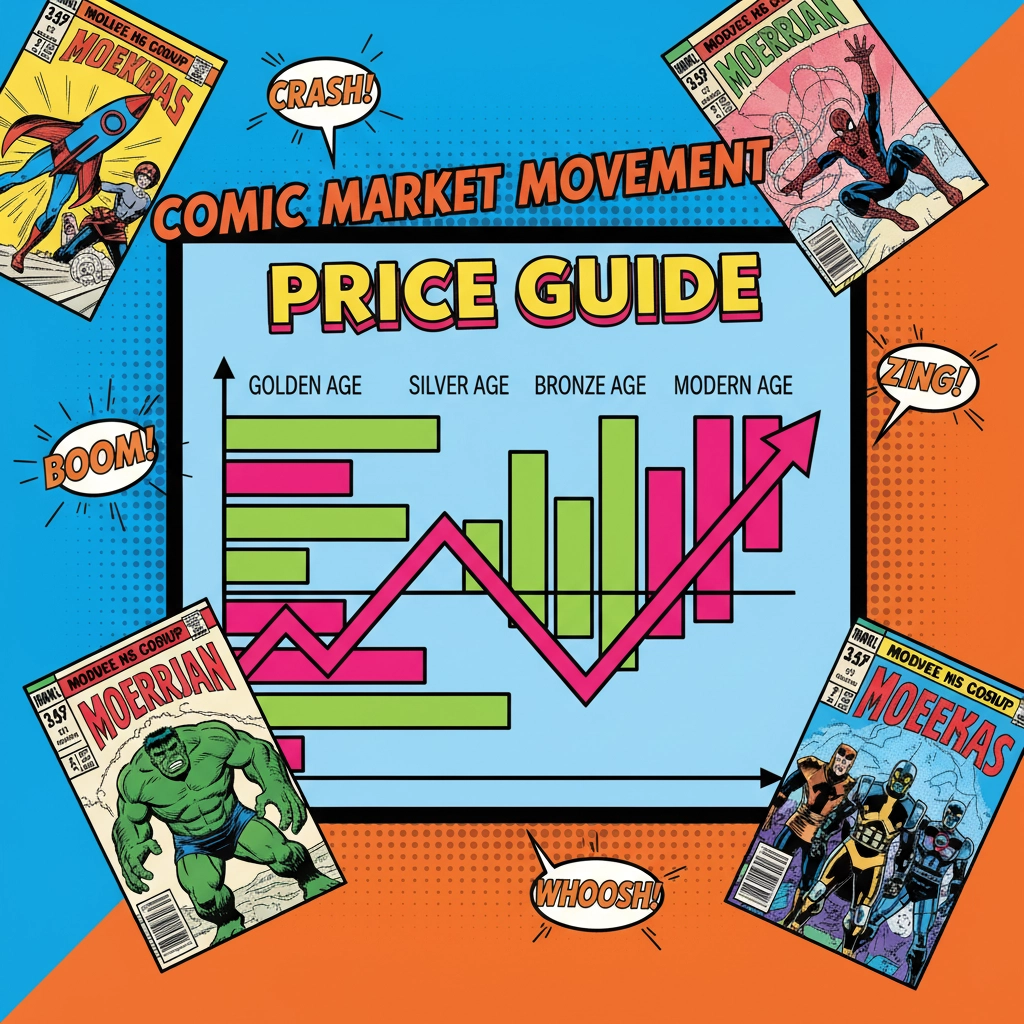
Golden Age comics gained 5.44% in value over the past year. Silver, Bronze, Copper, and Modern Age comics declined. This split creates two distinct markets.
High-grade key issues maintain substantial premiums. CGC 9.8 versus 9.6 grades create thousand-dollar differences on valuable books. CGC has certified over 10 million collectibles. The ecosystem remains functional.
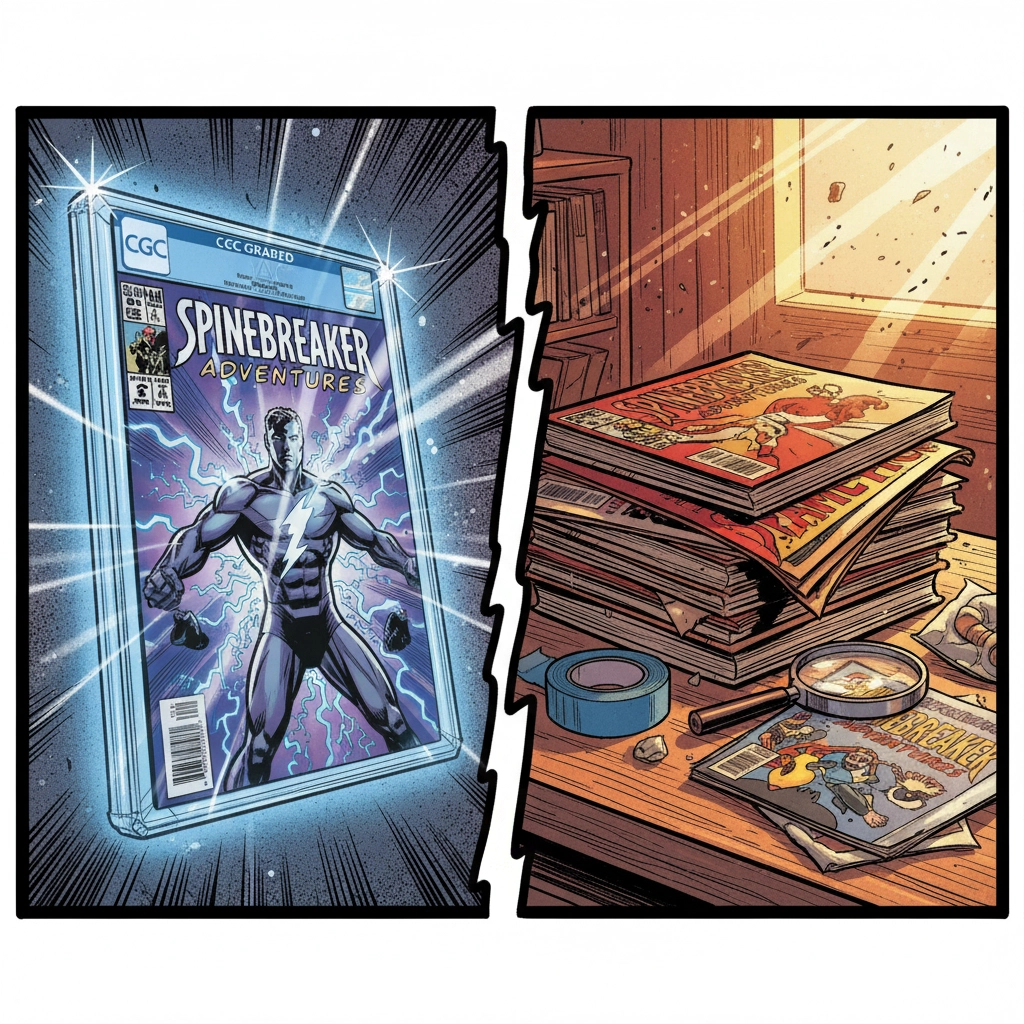
Performance Breakdown by Comic Era
Golden Age (1938-1956)
- Up 5.44% year-over-year
- Strong collector demand
- Authentication critical for high-dollar sales
Silver Age (1956-1970)
- Market decline in 2025
- Selective buying patterns
- Key issues still command premiums
Bronze Age (1970-1985)
- Continued price pressure
- Oversupply in mid-grade books
- Speculation cooling
Modern Age (1985-present)
- Significant market correction
- Grading costs exceed value-add for most books
- Buyer resistance increasing
Problems Driving "Dead Market" Perception
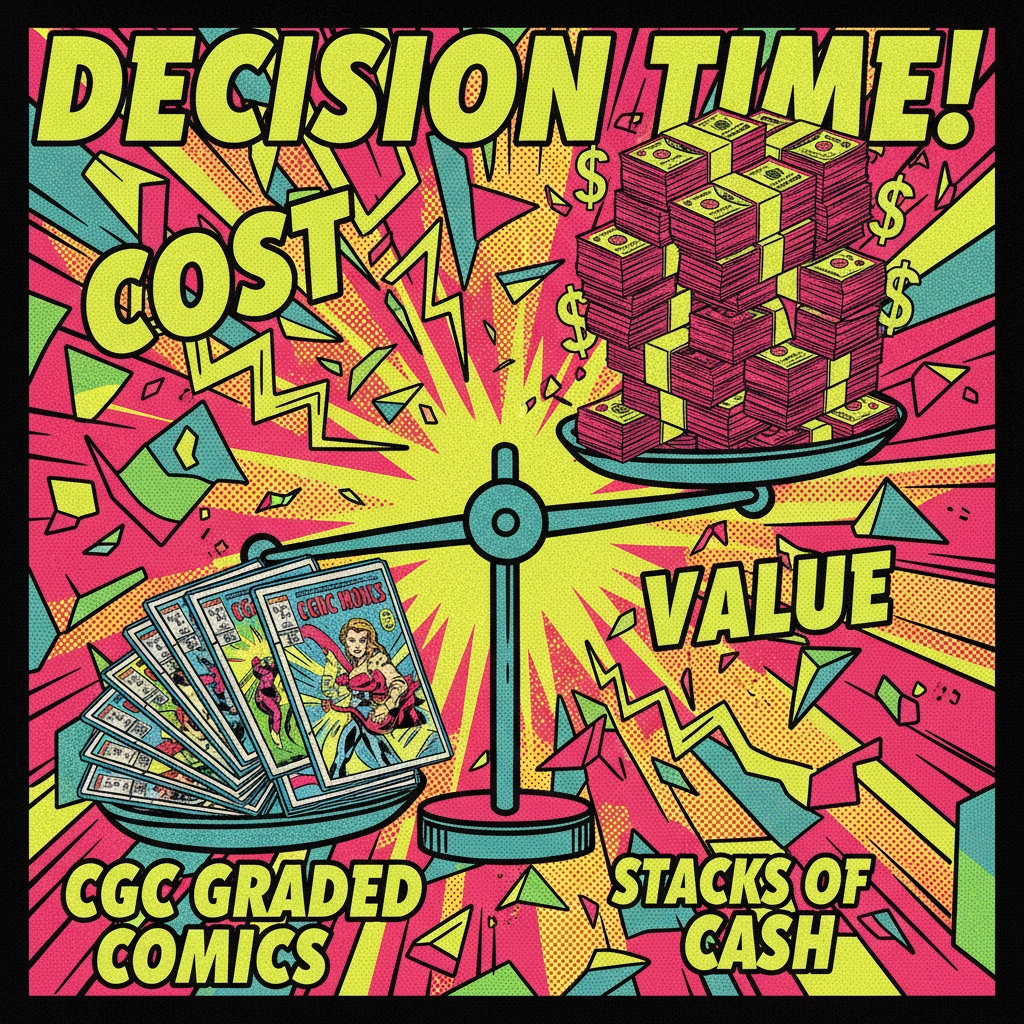
Cost-benefit analysis fails for lower-priced books. Grading fees approach $50 per book. Comics worth under $20 raw gain minimal value from slabbing. $5 books become $20-30 books after grading. Return on investment remains negative.
Market saturation creates inventory problems. Slabbed books sit unsold across eBay, Facebook, and Instagram. Prices decline consistently. CGC offers bundle deals. This indicates oversupply in multiple segments.
Competition between grading services creates uncertainty. CGC dominates but CBCS and PSA compete for market share. Collectors question which standard commands consistent resale premiums. Authentication reliability concerns persist.
Why Smart Collectors Continue Strategic Grading
Standardized pricing provides market advantages. Auction ecosystems, pricing services, and dealer networks rely on CGC sales data. Certified books offer predictable resale value. Broader buyer access reduces liquidation risk.
International demand supports premium pricing. High-grade U.S. key issues attract global collectors. Buyers in Seoul, Tokyo, and São Paulo outbid local competitors for investment-grade CGC 9.8s. Cross-border arbitrage creates sustained demand.
Documentation preserves historical value. Grading provides authentication beyond pure investment returns. Cultural preservation appeals to collectors viewing purchases as historical artifacts rather than financial speculation.
Collector Strategies
Local comic shops report selective grading patterns. Collectors focus resources on genuine appreciation candidates. Books under $50 raw value rarely justify grading costs.
Popular grading targets include:
- Golden Age superhero keys
- Silver Age Marvel first appearances
- Bronze Age horror comics
- Variant covers with proven track records
Collectors avoid grading modern books unless exceptional circumstances exist. Variant ratios, artist signatures, or convention exclusives create exceptions.

Investment-Grade Book Identification
Books worth grading meet specific criteria:
Raw Value Threshold
- Minimum $100 raw value
- Potential for grade-based premium
- Market demand verification required
Historical Significance
- First appearances of major characters
- Origin stories or key plot developments
- Cultural milestone issues
Condition Sensitivity
- Books where grade differences create substantial value gaps
- Comics prone to specific defects
- Issues with known restoration problems
Cost-Benefit Analysis Framework
Calculate grading economics before submission:
- Determine current raw market value
- Research graded sale prices by grade
- Factor in grading fees and shipping
- Account for potential grade disappointment
- Compare to alternative investment options
Books failing this analysis should remain raw. Sentiment cannot override mathematics.
Market Timing Considerations
Submit books during promotional periods. CGC offers periodic discounts and faster turnaround options. Monitor submission volumes to avoid peak processing delays.
Seasonal patterns affect comic values. December holiday sales and spring convention season create demand spikes. Time submissions to align with market cycles.
Economic conditions influence collectibles spending. Interest rates, inflation, and disposable income affect buyer behavior. Adjust grading strategies accordingly.

Alternative Protection Methods
Consider non-grading preservation options:
BCW Supplies use coupon code DREAMSCAPE and get 10% off
Mylites and Boards
- Lower cost protection
- Maintains flexibility for reading
- Adequate for most collections
Custom Frames
- Display value without permanent encapsulation
- Cost-effective for medium-value books
- Preserves condition without grading fees
Digital Documentation
- Photograph condition details
- Create provenance records
- Insurance documentation purposes
Comic Shop Insights
Local dealers report changing customer behavior. Collectors request condition advice before grading decisions. Education about grading economics increases.
Shops stock both graded and raw copies of popular books. Customer preference varies by title and price point. Flexibility serves different collector segments.
Future Market Predictions
Grading consolidation will continue. Marginal books lose premium value. Elite keys maintain position. Quality over quantity becomes standard practice.
Authentication remains valuable. Restoration detection justifies grading fees for expensive books. Market confidence requires third-party verification.
International expansion provides growth opportunity. Emerging markets develop appreciation for graded comics. Global demand supports selective premium pricing.
Actionable Recommendations
Focus grading budgets on books meeting strict criteria. Raw value must exceed $100. Grade sensitivity must create meaningful premiums. Market demand requires verification.
Maintain raw collections for reading and enjoyment. Preserve books properly without permanent encapsulation. Reserve grading for investment pieces only.
Monitor market data continuously. CGC census reports show population data. Sale prices indicate current market conditions. Adjust strategies based on evidence.
Research before submission. Understand grade probability distributions. Factor in all costs including opportunity cost. Compare to alternative investments.
The graded comic market contracted but survived. Smart collectors adapt strategies accordingly. Collectors benefit from selective, data-driven grading decisions. Quality remains valuable. Volume speculation ended.
Visit JAF Comics for current market analysis and grading consultation services.